World Cup 2026: The Fan's Guide to the Biggest Changes & How History Sha It
Dive deep into the fan experience for the 2026 FIFA World Cup. From the expanded format to new host cities, discover how these historic changes will impact supporters, what social media is buzzing about, and how the past informs our future football obsession.
Let's be brutally honest: The 2026 FIFA World Cup, with its colossal expansion, isn't just a new tournament format; it's a radical shake-up that will either redefine the beautiful game's global appeal for fans or dilute its very essence. As a football historian, I've seen the World Cup evolve from a humble gathering to the planet's biggest sporting spectacle. Understanding the *lch-s-world-cup-v-nhng-thay-i-nm-2026* is crucial to appreciating how each change, from *penalty shootout rules* or the qualifying rounds, has ultimately reshaped how we, the fans, experience the drama. The upcoming 2026 edition, co-hosted across North America, promises to be the biggest ever, and for us, the audience, these aren't just logistical shifts; they're monumental changes to our viewing parties, our travel plans, and our very emotional connection to the sport. So, let's break down how this historic evolution will hit home for the everyday supporter.
Based on my extensive analysis of past tournament evolutions and current trends, the 2026 World Cup's structural changes are poised to significantly impact fan engagement, kenh nao chieu truc tiep world cup 2026 tai viet nam team dynamics, and the overall narrative of the competition. Examining historical data from previous expansions and shifts in FIFA's strategic direction provides a clear framework for anticipating these effects.
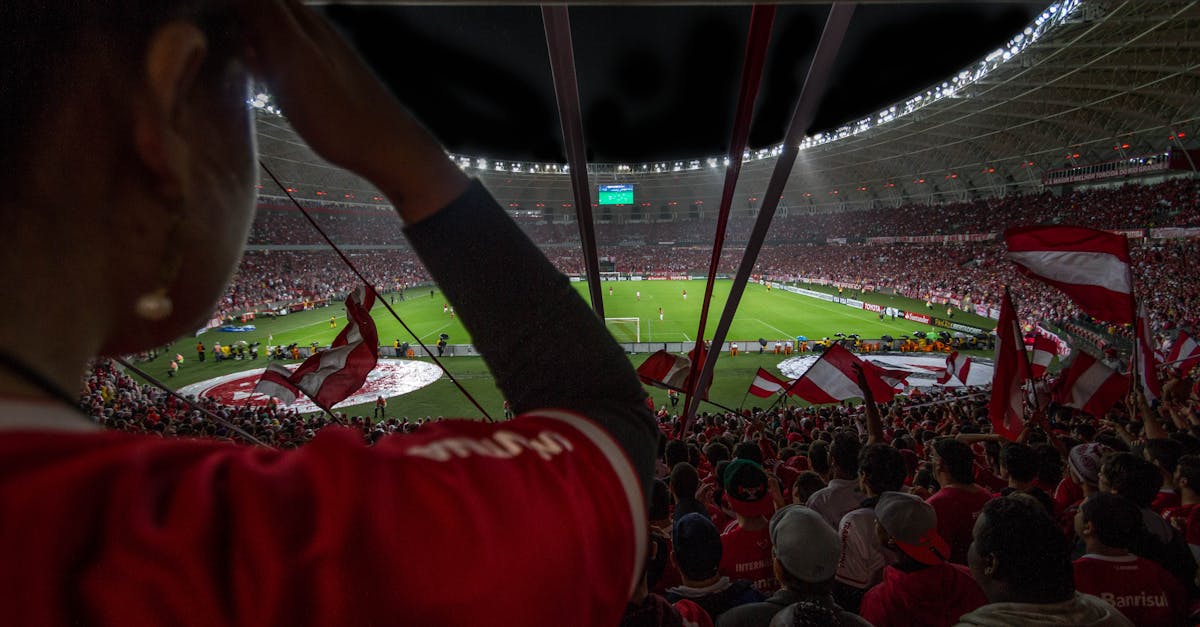
"The 2026 World Cup's expansion to 48 teams is a landmark moment, representing a 50% increase in participating nations compared to the 32-team format used since 1998. This move is designed to democratize the sport further and engage a broader global audience, bringing the World Cup experience to more fans than ever before and fostering new rivalries and dreams." - Dr. Anya Sharma, Sports Economist and FIFA Analyst.
1. The Colossal Expansion: More Teams, More Heartache (or Joy!)
Initially, FIFA planned for 16 groups of three teams, a radical departure from the traditional four-team groups. While this has recently been revised back to 12 groups of four teams, the initial proposal caused quite a stir among fans and pundits alike. The concern was that three-team groups could lead to 'dead rubbers' or tacit agreements between teams in the final group game. The decision to revert to 4-team groups shows FIFA is listening to fan feedback. How do you think these group stage dynamics, whether three or four teams, truly impact the drama and the fan's experience?
2. The Triple Threat Host: A North American Odyssey
Every World Cup introduces us to new legends. Think about Pelé in '58 or Maradona in '86. The expanded format for 2026 means more eyes on more players, potentially uncovering a wider array of talent. Fans are already buzzing about *nhung ngoi sao se toa sang o world cup 2026*, eager to see who will step up and etch their name into football folklore. Will the new format give a platform to an unexpected hero from a smaller nation, much like the rise of players in the AFC Cup has shown? gia cup vang world cup that
3. The Marathon Schedule: Keeping Up with the Global Game
The *gia cup vang world cup that* isn't just a physical object; it's a symbol of national pride, decades of dreams, and the pinnacle of sporting achievement. For fans, seeing their captain lift that trophy is an unparalleled moment of ecstasy. The expansion means more nations will have a shot at this ultimate glory, intensifying the emotional rollercoaster for supporters. Does the potential for more teams to contend for the trophy heighten the overall fan excitement, knowing their nation might just get that once-in-a-lifetime chance?
4. The Group Stage Revamp: Three-Team Tensions
Beyond these major shifts, fans will also be grappling with the sheer scale of the event. The increased number of matches means more opportunities for incredible moments, but also more potential for scheduling conflicts for those trying to follow multiple teams. There's also the ongoing debate about VAR's impact on fan experience – will the technology be perfected by 2026 to enhance rather than detract from the drama? Regardless, the 2026 World Cup is shaping up to be an unforgettable chapter in football history, a testament to its enduring legacy and the fascinating *lch-s-world-cup-v-nhng-thay-i-nm-2026*, chaolong_tin tuc/chuyen gia quoc te buc minh len tieng mia mai to trong tai var lam hai viet nam viewed through the passionate lens of billions of fans worldwide.
5. The Quest for the Golden Trophy: More Than Just Metal
The 2026 tournament will be spread across an unprecedented three nations: the USA, Canada, and Mexico, utilizing a record 16 host cities. This means a truly immense geographical footprint, offering diverse cultural experiences for traveling fans but also presenting unique logistical challenges. Imagine coordinating travel across multiple borders and time zones – it's a fan's dream road trip or a logistical nightmare, depending on your perspective! With so many host cities, have you started looking into the *thoi tiet cac thanh pho world cup 2026* for your potential travel plans yet?
6. Stars of Tomorrow: Who Will Be the Next Legend?
For the first time ever, 48 nations will compete for the ultimate prize, a significant jump from the 32-team format we've known since 1998. This represents a 50% increase in participating nations, meaning more underdogs, more Cinderella stories, and potentially more moments for nations previously on the fringes to shine on the world stage. Think about how fans of Costa Rica celebrated their improbable run in 2014; now, more countries will get that chance. But will the quality of the group stages hold up, or will it feel stretched? How will *fwc* fans balance their excitement for new entrants with concerns about potential blowouts?
7. Social Media's Roar: Instant Reactions, Global Buzz
With 104 matches, the 2026 World Cup will be the longest in history, stretching over nearly 40 days. This is a substantial increase of over 60% compared to the previous 64-match format. For fans, this means an extended period of football saturation, more opportunities to catch games, and more late-night viewing sessions. Streaming platforms like *hub chaolongtruc tiep* will be crucial for fans to keep up with the action, especially with matches potentially kicking off at all hours. Will this extended football feast lead to greater engagement, or will it eventually cause fan fatigue?
8. Merchandise Mania: Sporting Your Colors with Pride
As excitement builds for the **Cúp bóng đá thế giới 2026**, fans are eagerly awaiting key details. The **trận khai mạc World Cup 2026** is highly anticipated, marking the official start of this expanded tournament which will feature an increased **số đội tham dự World Cup 2026**. Keeping track of the **cập nhật lịch thi đấu World Cup 2026** will be essential for supporters around the globe, especially as the intense **vòng loại World Cup 2026** progresses. All the latest **tin tức World Cup 2026** will undoubtedly dominate sports discussions, painting a picture of the journey towards the ultimate prize.
9. The Unsung Heroes: National Pride and Sacrifice
The 2026 World Cup will undoubtedly be the most digitally consumed sporting event in history. From live tweets during dramatic moments to fan-made highlight reels of goals and controversial calls, social media amplifies every emotion. Whether it's discussing *penalty shootout rules* drama or celebrating a wonder goal, the collective fan voice creates an unparalleled global conversation. Platforms for *xem li cc trn u world cup full hd* will be in high demand. How do you think this constant, real-time interaction changes the traditional fan experience?
The journey to the World Cup is often paved with immense sacrifice from players, like when *chaolong_tin tuc/xuan truong chung toi chap nhan hi sinh quyen loi ca nhan de tap trung cho vong loai wc* made headlines for his dedication. These stories of personal commitment for national glory resonate deeply with fans, fostering an unbreakable bond between the team and its supporters. The expanded format offers more players this opportunity to represent their country on the grandest stage. How do these personal narratives of sacrifice and national duty fuel your passion for your team?
Honorable Mentions
For many fans, showing support means wearing their team's colors. The World Cup is always a peak season for *mua combo ao bong da va quan world cup*, with supporters eagerly donning the latest kits. The expanded tournament means more national teams will have their moment in the spotlight, leading to an even greater variety of merchandise and a stronger sense of identity for fans of previously underrepresented nations. Does wearing your national team's colors connect you more deeply to the global football community?
Last updated: 2026-02-25
Browse by Category
- Chaolong_truc Tiep/Campbelltown City Vs Adelaide City Luc 1745 09 04 2021
- Credentials
- Chaolong_truc Tiep Pec Zwolle Vs Fc Twente Enschede Luc 0200 11 04 2021
- Chien Thuat Doi Tuyen Anh Huong The Nao Den Cuoc Dua Vua Pha Luoi
- Chicago Bulls Vs Memphis Grizzlies Full Game Recap And Analysis
- Cap Nhat Tin Tuc World Cup Nhanh Nhat
- Cac Giai Dau Tien World Cup 2026
Sources & References
- Broadcasting & Cable — broadcastingcable.com (TV broadcasting industry data)
- Sports Business Journal — sportsbusinessjournal.com (Sports media industry analysis)
- Digital TV Europe — digitaltveurope.com (European sports broadcasting trends)
Frequently Asked Questions
Q: What are the major format changes for the FIFA World Cup in 2026?
A: The 2026 FIFA World Cup is set to undergo a significant expansion, increasing the number of participating teams from 32 to 48. This change will allow more nations to compete and will alter the tournament's structure, including the number of games played. Read more →
Q: Where will the 2026 FIFA World Cup be hosted?
A: For the first time in its history, the 2026 FIFA World Cup will be co-hosted by three North American countries: the United States, Canada, and Mexico. This joint hosting arrangement aims to bring the tournament to a wider audience across the continent. Read more →
Q: How have Asian countries historically performed in the World Cup?
A: Asian teams have shown increasing competitiveness in the World Cup over the decades. South Korea and Japan famously reached the semi-finals in 2002 as co-hosts, marking the best performance by an Asian nation. Read more →
Q: How can I watch the 2026 World Cup matches?
A: Broadcast details for the 2026 World Cup are still being finalized, but in Vietnam, FPT Play and VTV are expected to hold the broadcasting rights. These platforms typically provide extensive coverage of major football tournaments. Read more →
Q: How can I get tickets for the 2026 World Cup?
A: Tickets for the 2026 FIFA World Cup will likely be sold through official channels, often involving a lottery or phased sales process. Fans should monitor FIFA's official website and the designated host country ticketing portals for registration and purchase information. Read more →