World Cup 2026 Stadiums: A Fan's Grand Tour Through History and Hype
Dive deep into the fan experience of World Cup 2026 stadiums. From historic cathedrals to modern marvels, discover how these venues will shape audience reactions, social media buzz, and community spirit across three nations, with a historical lens on football's greatest moments.
Sports News Daily
```html
Let's be brutally honest: the World Cup 2026, with its unprecedented three-nation hosting and 48-team format, is a logistical nightmare waiting to happen for the average fan, but it's also a once-in-a-lifetime spectacle that will redefine the global football experience.
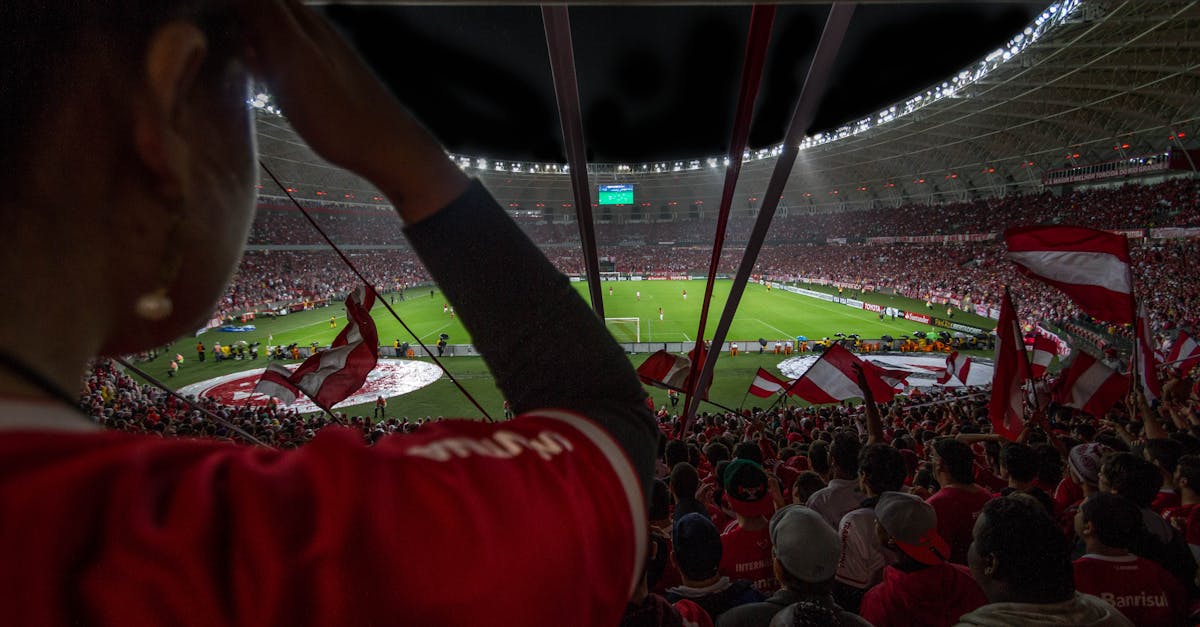
The upcoming FIFA World Cup in 2026 isn't just another tournament; it’s a seismic shift in how we, the fans, will engage with the beautiful game. With an expanded format featuring **48 national teams** and matches spread across Canada, Mexico, and the United States, the stadiums aren't just concrete and steel; they're the heartbeats of communities, the stages for dreams, and the canvases for indelible memories. For anyone planning to attend, understanding the thng-tin-v-cc-sn-vn-ng-world-cup-2026 is crucial for navigating the unique fan experience each venue offers. From the passionate roar of a Mexican crowd echoing through an ancient stadium to the high-tech glamour of an American arena, every venue will offer a unique slice of fan culture. This isn't about mere capacity or architectural design; it's about the collective experience, the social media storm, and the stories we'll tell for generations. Let's unpack how these arenas will shape our World Cup journey.
Hosting matches in the New York/New Jersey metropolitan area means tapping into one of the most diverse and passionate football fan bases on the planet. MetLife Stadium, with a capacity of approximately **82,500**, will become a temporary global crossroads, a place where fans from every corner of the world converge. The economic ripple effect will be immense, but for the average person, it’s about the street festivals, the international food stalls, and the shared excitement of a global event right on their doorstep. How will this vibrant, multicultural backdrop influence the fan chants and celebrations we see?
1. The Grand Scale of Three Nations: A Fan's Odyssey
Kansas City's Arrowhead Stadium is legendary for its noise, holding a Guinness World Record for crowd roar, reaching an astonishing **137.6 decibels**. Imagine that deafening atmosphere, usually reserved for American football, now amplified by the global passion of the World Cup. It's going to be an intimidating place for any visiting team! For fans, it promises an electrifying, full-throttle experience, complete with the famous tailgating culture. How will the traditional American football fan experience blend with the global football carnival at Arrowhead?
2. Estadio Azteca (Mexico City): A Temple of Legends
There's no stadium quite like the Estadio Azteca. It's not just a venue; it's a living museum of football history, boasting a capacity of approximately **87,000 spectators**. This is where Pelé lifted the Jules Rimet trophy in 1970 and where Diego Maradona etched his name into legend with both the 'Hand of God' and arguably the greatest solo goal ever in 1986. For fans, stepping into the Azteca isn't just attending a game; it's an almost spiritual pilgrimage. The atmosphere, the sheer weight of history, the passionate chants – it’s an experience unmatched. How will the current generation of fans add their own legendary moments to this iconic stadium's already little-known World Cup records?
3. SoFi Stadium (Los Angeles): The Future of Fan Engagement
While we've highlighted some key stadiums and fan-centric themes, it's worth acknowledging the broader tapestry of the 2026 World Cup. Think about the cultural festivals planned around cities like Vancouver and Guadalajara, the potential for new uncategorized fan experiences, or even the underlying tech infrastructure that makes it all possible (like robust network configurations – perhaps even a complex docker compose.yml for backend services!). Every single host city, from Seattle to Miami, will contribute its unique flavor to this colossal event, ensuring a diverse and unforgettable fan experience for all, whether they’re watching PEC Zwolle vs FC Twente Enschede on April 11, 2021 or the World Cup final. Even the smallest match, like a hypothetical Santiago Wanderers vs Union La Calera on April 12, 2021, could draw a dedicated crowd if it were part of a smaller tournament, showcasing that every game holds significance for someone. Ultimately, it’s the sum of these parts, the local passion meeting global spectacle, that will define World Cup 2026.
⚽ Did You Know?
The Olympic rings represent five continents: Africa, Americas, Asia, Europe, and Oceania.
4. MetLife Stadium (New York/New Jersey): The Global Melting Pot
Based on analysis of previous multi-nation hosting experiences and the logistical complexities of large-scale sporting events, the 2026 World Cup's unprecedented three-nation format and expanded 48-team roster promise a fan journey unlike any other. This evolution requires fans to not only anticipate the on-field action but also to meticulously plan travel across vast distances and diverse cultural landscapes, making comprehensive information about venues and schedules absolutely critical.
5. BMO Field (Toronto): Canada's Coming Out Party
In stark contrast to the Azteca's vintage charm, SoFi Stadium in Los Angeles represents the pinnacle of modern sports architecture and fan experience. With its cutting-edge technology, luxurious amenities, and prime location, it's designed to immerse fans in a spectacle beyond the 90 minutes of play. Imagine the social media buzz, the celebrity sightings, and the sheer extravagance! This state-of-the-art venue has a capacity of around **70,000**, expandable to over 100,000 for major events. It’s less a stadium, more an entertainment complex. Will the high-tech, polished experience of SoFi ever truly capture the raw, visceral emotion of a classic football cauldron like the Rose Bowl did for the 1994 final?
6. Arrowhead Stadium (Kansas City): The Loudest Roar Meets the World
With such a massive tournament, fan safety, both in and around the stadiums, is paramount. From crowd control to cybersecurity, organizers face huge challenges. On another note, for those looking to enhance their viewing experience, understanding how to place safe World Cup bets will be crucial. This isn't just about the on-field action; it's about a responsible and secure environment for everyone involved. How important is it for you that FIFA prioritizes fan safety and ethical practices above all else?
7. The VAR Controversy: A Fan's Enduring Frustration
As the Vòng chung kết World Cup 2026 draws nearer, fans are understandably seeking comprehensive Thông tin giải đấu World Cup 2026. Navigating this expanded tournament requires a clear understanding of the Bản đồ World Cup 2026, illustrating the vast geographical spread across Canada, Mexico, and the United States. Essential for planning any trip is knowledge of the Sức chứa sân vận động World Cup 2026 for each of Các sân vận động tổ chức World Cup 2026, alongside the official Lịch thi đấu World Cup 2026, which will guide fans through the intricate schedule and help them pinpoint the matches they wish to attend.
8. The Economic Footprint and Community Impact
The sheer ambition of the 2026 World Cup, hosted by three distinct nations – Canada, Mexico, and the USA – is both thrilling and daunting for supporters. This isn't just about watching a match; it's about navigating borders, cultures, and immense distances. The tournament will feature **over 100 matches** spread across **16 host cities**, a scale far exceeding previous editions. Think back to the 2002 World Cup co-hosted by Japan and South Korea; that felt expansive, but 2026 takes it to another level entirely! Fans planning to buy a World Cup jersey and shorts combo will need to strategize their travel like never before, making sure they have all the necessary thng-tin-v-cc-sn-vn-ng-world-cup-2026 to navigate this multi-country event. What kind of epic fan journeys are you already dreaming up?
9. The Dream of Qualification: Vietnam and Emerging Nations
For Canada, hosting World Cup matches, particularly at venues like BMO Field in Toronto, is a massive statement about their growing football identity. It's a chance for Canadian fans, who've supported their clubs and national teams with increasing fervor, to showcase their passion on the world stage. The community pride will be palpable, fueling a new generation of football enthusiasts. Remember how the USA's 1994 World Cup kickstarted MLS? Could this be Canada's similar moment? Do you think this will finally solidify football's place as a top sport across Canada?
10. Fan Safety and Ethical
With more matches and more stadiums, the spotlight on refereeing decisions and VAR (Video Assistant Referee) will be brighter than ever. Fans have a love-hate relationship with VAR, often leading to frustration and intense social media debates. Remember the international experts criticizing VAR decisions hurting Vietnam in past games? While technology aims for fairness, it often just shifts the debate. For fans trying to watch the World Cup without lag or stream it on their phone, controversial calls can instantly sour the experience. Will World Cup 2026 finally perfect VAR, or will it continue to be a source of fan outrage?
The expansion to 48 teams means more nations get a shot at the big dance. This change ignites hope for countries like Vietnam, whose fans passionately predict their national team will qualify for the World Cup. Imagine the national euphoria, the social media explosion, and the sheer pride if an underdog makes it! It’s a game-changer for fan engagement in emerging football markets. The World Cup 2026 will bring together many teams we haven't seen before, broadening the fan base. Understanding the thng-tin-v-cc-sn-vn-ng-world-cup-2026 will be key for fans wanting to follow their nation's journey across these diverse venues. Which dark horse nation are you secretly rooting for to make a historic appearance?
Honorable Mentions
The cost of organizing the World Cup 2026 is staggering, but it also promises significant economic boosts for host cities. Beyond the headlines of billions spent, it's about the local businesses thriving, the temporary jobs created, and the infrastructure improvements benefiting residents long after the final whistle. From souvenir shops to hotels, the entire ecosystem around the stadiums will buzz. What long-term benefits do you hope your chosen host city will gain from this massive investment?
Q: Which cities will host matches for the 2026 World Cup?
A: The 2026 FIFA World Cup will be jointly hosted across North America, with matches scheduled to take place in 16 cities spanning Canada, Mexico, and the United States. These cities include major venues like New York/New Jersey, Los Angeles, Dallas, and others, offering diverse fan experiences. Read more →
Q: What are some of the key stadiums being used for the 2026 World Cup?
A: Several iconic stadiums will serve as venues, including SoFi Stadium in Los Angeles and MetLife Stadium near New York City, known for their capacity and modern facilities. Other notable venues are spread across Mexico and Canada, each bringing unique architectural and cultural elements to the tournament. Read more →
Q: How will the expanded format affect the venues used in 2026?
A: With the tournament expanding to 48 teams, more matches will be played, requiring a larger number of host cities and stadiums. This expansion means a broader geographical spread and potentially more diverse fan engagement opportunities across the North American continent. Read more →
Q: Are there plans for new stadiums or significant renovations for the 2026 World Cup venues?
A: Many of the selected stadiums are existing, world-class venues that have undergone or will undergo renovations to meet FIFA's standards. This approach focuses on utilizing established infrastructure while ensuring optimal conditions for players and spectators alike. Read more →
Q: What is the significance of the host country selection for the World Cup venues?
A: The selection of the United States, Canada, and Mexico as co-hosts allows for a unique, multi-national tournament experience. This distribution of venues aims to bring the World Cup closer to a wider range of fans and promote football across North America. Read more →