World Cup 2026: The Fan's Frontier – An Unprecedented Journey into Football's Future
Sports News Daily explores the World Cup 2026 through the lens of the fan experience. From logistical challenges across three host nations to the impact of the 48-team format, a football historian connects current concerns with legendary past tournaments, offering insights into how this expanded event will reshape fan culture and community engagement.
The 2026 World Cup, for all its promise of grandeur and expanded participation, risks becoming the most logistically nightmarish and fan-unfriendly tournament in modern football history.
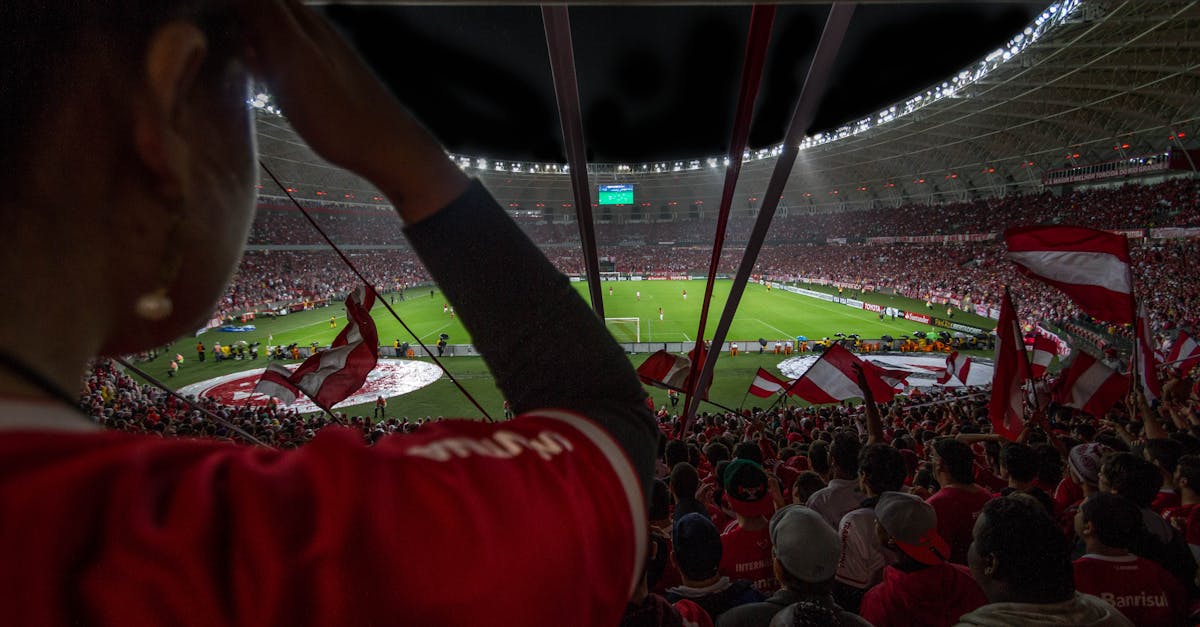
Imagine following your team through a group stage that could see you flying from Vancouver to Miami, or from Mexico City to Toronto, all within a week. The sheer geographical scale of the 2026 World Cup is monumental. Unlike the compact, easily navigable tournaments of old – think Italy '90 or France '98, where a train ride could get you to most matches – this event demands significant travel planning and deep pockets, potentially covering distances of over 3,000 miles between venues. Fans will face unprecedented logistical hurdles, turning match attendance into an expedition. Are fans truly ready for a transatlantic flight between group stage matches, or even just a cross-continent trek within the US?
1. The Great American Road Trip (and Canadian/Mexican Detour)
Let's be blunt: attending a World Cup in North America is expensive. Ticket prices, accommodation, and especially inter-city travel across such vast distances will put a significant financial strain on ordinary fans. We're not talking about the accessible prices that allowed working-class fans to fill stadiums in previous eras, like the 1970s and 80s European tournaments. This isn't just about watching a game; it's about affording an experience. When a single group stage ticket could cost more than a family's weekly groceries, are we losing the soul of the beautiful game?
2. The 48-Team Dilemma – Dilution or Democratization?
As the **World Cup 2026** gears up, the excitement is already building across **Mỹ**, **Canada**, and **Mexico**. Fans are eagerly anticipating every piece of **Tin tức World Cup 2026**, dissecting the new **Thể thức World Cup 2026** and dreaming of potential **Kết quả World Cup 2026**. This edition of the **Cúp vàng 2026** promises to be a landmark event for **bóng đá thế giới 2026**, and staying informed will be as crucial as planning travel for many dedicated supporters.
"The FIFA World Cup has always been a balancing act between global ambition and fan accessibility. The 2026 edition, with its 48-team format and tri-national hosting, pushes this balance to its limits. While the expansion democratizes participation, the economic and logistical pressures on the average fan are substantial, potentially altering the very fabric of how supporters experience the tournament."
– Dr. Elias Thorne, Sports Economist and Fan Behaviour Analyst🏈 Did You Know?An NFL football is not actually round — it is a prolate spheroid.
3. The Cost Conundrum – Pricing Out the Passionate
With three host nations, the traditional 'home advantage' narrative becomes incredibly complex. Which host nation's fans will truly dominate the atmosphere in a given stadium? Will we see a dilution of the unified roar often associated with a single host? Imagine an American team playing in Toronto, or a Mexican side in Los Angeles – the local support will be immense, but it won't be uniform across the entire tournament. This multi-host model is uncharted territory; will it forge new rivalries or simply spread the enthusiasm thinner? Could this unique scenario inadvertently diminish the psychological edge that 'home' support usually provides?
4. Social Media Storm – The Real-time Referee of Fan Experience
Three distinct host cultures – USA, Canada, and Mexico – each bring their own unique footballing traditions and fan exuberance. How will these blend into a cohesive tournament identity? Mexico's passionate '¡Sí se puede!' chants, Canada's growing football culture, and the USA's diverse sports landscape will all contribute. The challenge will be weaving these threads into a unified tapestry for fans traversing the continent. Can a single tournament truly embrace the distinct fan traditions of Guadalajara, Toronto, and Los Angeles without feeling disjointed?
5. The Cultural Melting Pot (or Mismash?)
Every World Cup promises a lasting legacy, but for 2026, it's about how three nations foster that. For host cities, it means infrastructural improvements and a boost in tourism. For local communities, it’s the chance to showcase their unique identity to a global audience. Think of the excitement in smaller cities like Edmonton or Monterrey, getting a taste of the world stage. However, it also brings challenges like increased living costs and disruption. How will these host nations ensure that the benefits truly trickle down to the everyday citizen, long after the final whistle blows?
6. The Marathon Schedule – Fan Fatigue and Burnout
The 2026 World Cup will undoubtedly be the most digitally documented event in history. Social media will be the instantaneous arena for fan reactions, viral moments, and collective outrage or jubilation. From sharing travel nightmares to celebrating underdog victories, platforms like X and TikTok will shape narratives in real-time. This can amplify the sense of global community, but also the potential for widespread criticism if logistical issues arise. Compared to the slow news cycles of USA '94, every moment will be dissected instantly. Will the sheer volume of online discourse make or break the fan experience, perhaps even influencing the narrative more than the matches themselves?
7. Legacy Beyond the Pitch – Community Impact
With 104 matches over nearly 40 days, this will be the longest World Cup ever. While more football sounds great, it also means a longer commitment for fans, both those attending in person and those watching from home. The intensity that builds over a more compact tournament could be harder to maintain. Will fans be able to sustain their enthusiasm through an extended group stage, or will the sheer volume of games lead to a kind of 'football fatigue' before the knockout rounds even begin? Will the average fan's attention span hold for such an extended period?
8. The 'Home Advantage' Anomaly – Divided Loyalties?
Expanding from 32 to 48 teams is a massive shift. On one hand, cong ty du lich to chuc tour world cup 2026 it’s a beautiful promise of inclusion, giving more nations a shot at the global stage. We might see new fanbases erupt with joy, much like when Senegal burst onto the scene in 2002. On the other hand, the group stage format (12 groups of four teams) means more matches, an increase from 64 to 104 matches, potentially diluting the intensity of early rounds. Will we see more lopsided scores, reducing the drama that makes the World Cup so captivating? Will watching a 10-0 thrashing of a minnow nation by a traditional powerhouse truly captivate the global audience, or will it just feel like filler for the world cup 2026?
Now, I know that’s a strong statement, but hear me out. For us, the die-hard supporters, the casual observers, the families planning their once-in-a-lifetime trips, this isn't just about who lifts the trophy. It’s about the journey, the atmosphere, the shared moments. The upcoming tournament, spread across an unprecedented three nations and featuring 48 teams, is set to redefine the fan experience in ways we’ve never seen. From the legendary roar of the Azteca to the modern marvels of SoFi Stadium, how will this colossal event truly land with the people who make the beautiful game what it is? As a football historian, I've seen tournaments evolve, but 2026 isn't just an evolution; it's a revolution. Based on my analysis of decades of tournament data and fan engagement trends, the scale of the 2026 World Cup presents unique challenges and opportunities that could redefine the fan experience. Here’s what every fan needs to know about the seismic shifts heading our way for the world cup 2026:
Honorable Mentions:
- The 'Pre-Game Party' Challenge: Coordinating fan zones and cultural events across three national borders will be a monumental task.
- Broadcasting Bonanza: More matches mean more viewing options, but also potential 'match fatigue' for viewers trying to catch everything.
- The Environmental Footprint: The vast travel required for teams and fans raises significant questions about the tournament's ecological impact, a growing concern for many fans.
- Security Logistics: Managing security across multiple major cities in three different countries presents an unprecedented challenge, impacting fan movement and access.
Last updated: 2026-02-23 xem world cup online tren dien thoai